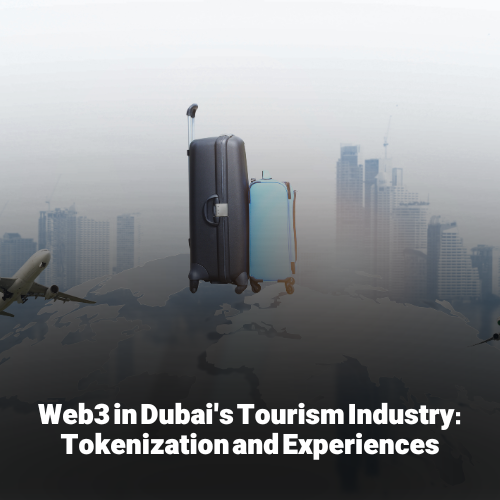
Dubai, a city that has long prided itself on being at the cutting edge of innovation, is now embracing one of the most revolutionary technological trends of our time—Web3. The combination of blockchain technology, cryptocurrencies, decentralized finance (DeFi), and non-fungible tokens (NFTs) is making waves across industries worldwide, and Dubai’s tourism sector is no exception. In fact, Dubai has positioned itself as a global hub for Web3, utilizing Web3 in Dubai’s tourism industry to reshape how tourists experience the city, create new economic opportunities, and enhance its global reputation as a forward-thinking destination. The rise of tokenization and unique digital experiences is becoming the cornerstone of this transformation.
Today, I attended the 31st Arabian Travel Market, the largest ever edition of the event, featuring 2,300 exhibitors from 165 countries.
This global event offers the ideal platform for forging new partnerships that can accelerate our goal to establish Dubai as one of the world’s… pic.twitter.com/MCvqzCSzEN
— Hamdan bin Mohammed (@HamdanMohammed) May 8, 2024
What is Web3, and How Does It Relate to Dubai’s Tourism Industry?
Before delving into how Web3 is influencing Dubai’s tourism sector, it is important to understand what Web3 entails. Web3 refers to the third iteration of the internet, built on decentralized technologies like blockchain. Unlike Web2, which centers around corporations controlling centralized platforms (think Facebook, Google, Amazon), Web3 empowers users to control their own data, assets, and online identities. Blockchain, the backbone of Web3, enables peer-to-peer transactions that are transparent, secure, and immutable.
Middlemen make billions off your travel bookings.
Web3 cuts them out, because your vacation shouldn’t fund their yacht.
— CigarVatos Legion (@CigarVatos) March 3, 2025
Dubai’s tourism industry closely ties with its identity as a luxury destination and a global center for commerce, culture, and leisure. The city is home to a thriving tourism market, with millions of visitors flocking each year to experience its cutting-edge infrastructure, luxury shopping, world-class entertainment, and rich cultural offerings. Web3, with its promises of decentralization, enhanced user experiences, and innovative business models, is now beginning to permeate every layer of the city’s tourism ecosystem.
Tokenization of Assets in Dubai’s Tourism Industry

Dubai’s tech-friendly environment fuels blockchain innovation like tokenization that is one of the most promising aspects of Web3, which refers to converting physical assets into digital tokens on a blockchain. These tokens represent ownership or access rights to real-world assets, from real estate to experiences, artworks, and even services. In the context of Dubai’s tourism industry, tokenization has the potential to unlock new revenue streams, enhance the efficiency of transactions, and create entirely new types of experiences for visitors.
Tokenized Real Estate
Dubai’s real estate market is one of the most lucrative in the world, with luxury properties and towering skyscrapers lining the horizon. With Web3, tokenizing real estate allows tourists to own fractions of high-value properties—such as hotel rooms, resorts, or apartments—via blockchain tokens. This opens up the possibility for global investors and tourists to own a piece of Dubai’s luxurious properties without the need for large capital investments.
For example, to further explain the role of NFTs in Dubai real estate market, a tourist could purchase a fractional ownership token for a suite in the Burj Khalifa or a luxury villa in Palm Jumeirah, enjoying benefits like access to the property for certain periods, exclusive events, or priority booking for high-end experiences. Tokenization makes it easier for tourists to engage with Dubai’s property market without needing to deal with the complexities of traditional property ownership.
Tokenized Experiences
Dubai is famous for its extravagant experiences, from private yacht cruises to exclusive desert safaris. With Web3, tokenization can bring these experiences to a whole new level. By creating NFTs or blockchain-based tokens that represent exclusive access, Dubai can offer unique and personalized experiences for its visitors. These experiences can range from VIP tickets to art exhibitions, private dinners with celebrity chefs, or even special passes for attending global events like the Dubai World Cup or Expo 2020 (now Expo City Dubai).
Moreover, these tokenized experiences could offer built-in perks such as lifetime access, discounts, or even rewards that users can redeem at a later time. This level of customization and exclusivity is something that aligns perfectly with Dubai’s reputation for luxury and world-class service.
NFTs as Souvenirs
In a world where digital goods are gaining more value, NFTs are set to disrupt the souvenir market. Dubai can offer tourists the option to purchase limited-edition, digital collectibles in the form of NFTs. These could be art pieces, historical moments from the city, or even video clips capturing their experiences in Dubai. Unlike traditional souvenirs, NFTs are unique, verifiable, and have the potential to appreciate in value over time.
For example, tourists visiting Dubai’s famous Atlantis resort could purchase an NFT of a digital art piece that was inspired by the architecture of the hotel. This NFT not only serves as a keepsake but could also increase in value as Dubai continues to grow in global prominence. Over time, Dubai’s museums, galleries, and cultural landmarks could further explore the integration of NFTs into their exhibitions, offering an entirely new layer of interaction with art and history.
The Role of Smart Contracts in Streamlining Tourism Transactions
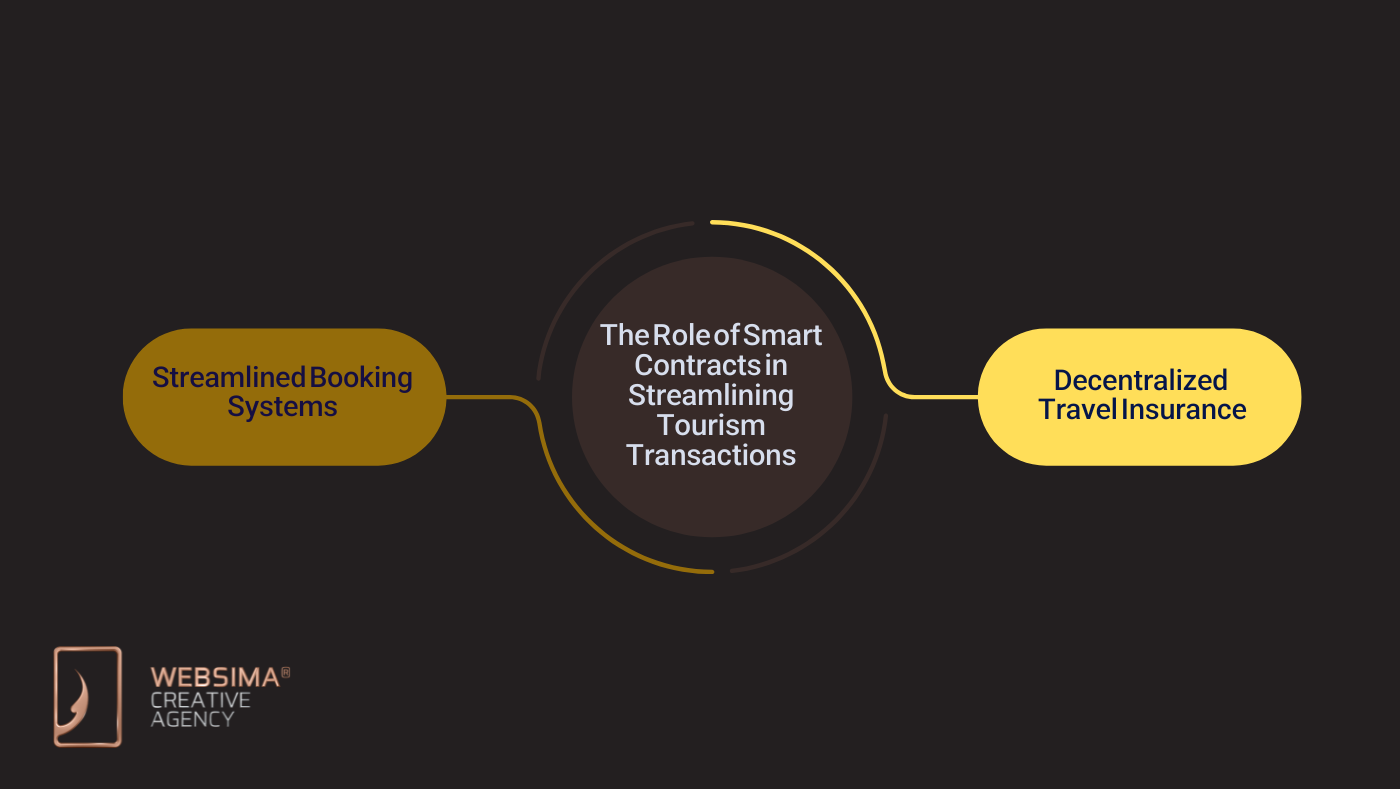
Web3 impacts Dubai’s tourism industry beyond tokenization—smart contracts are transforming how transactions occur. Smart contracts are self-executing agreements written into code that automatically enforce the contract terms once certain conditions are met. For tourists, this means seamless, efficient, and trustless interactions with service providers.
Streamlined Booking Systems
In the past, booking a hotel room, making a reservation for a restaurant, or securing tickets for an event could involve intermediaries and multiple steps. With Web3, these bookings can be handled through smart contracts, where tourists can directly interact with the service provider. For example, a tourist looking to book a stay at a hotel could initiate the booking through a decentralized platform, with a smart contract automatically confirming the reservation, processing payments in cryptocurrency, and even providing access to loyalty rewards—all without the need for third-party booking agencies.
Smart contracts also offer enhanced security and transparency, reducing the risks of fraud or miscommunication between tourists and businesses. This improves the overall experience for visitors, who no longer need to worry about dealing with hidden fees, manual processing delays, or ambiguous terms and conditions.
Decentralized Travel Insurance
Another application of Web3 in Dubai’s tourism industry could be the creation of decentralized travel insurance products. Traditional travel insurance models are often opaque and cumbersome, requiring tourists to go through intermediaries, fill out lengthy paperwork, and wait for claim approvals. With Web3, decentralized insurance protocols can be built to offer instant claims processing and automated payouts, ensuring that tourists are better protected during their travels.
For instance, a tourist who faces flight cancellations, lost baggage, or trip interruptions could receive automatic compensation through a smart contract-based system, eliminating the need for traditional insurance claims procedures. This creates a more efficient and user-friendly experience for travelers, ensuring they are covered during their trip.
Enhancing Tourist Engagement with Digital Identity and NFTs
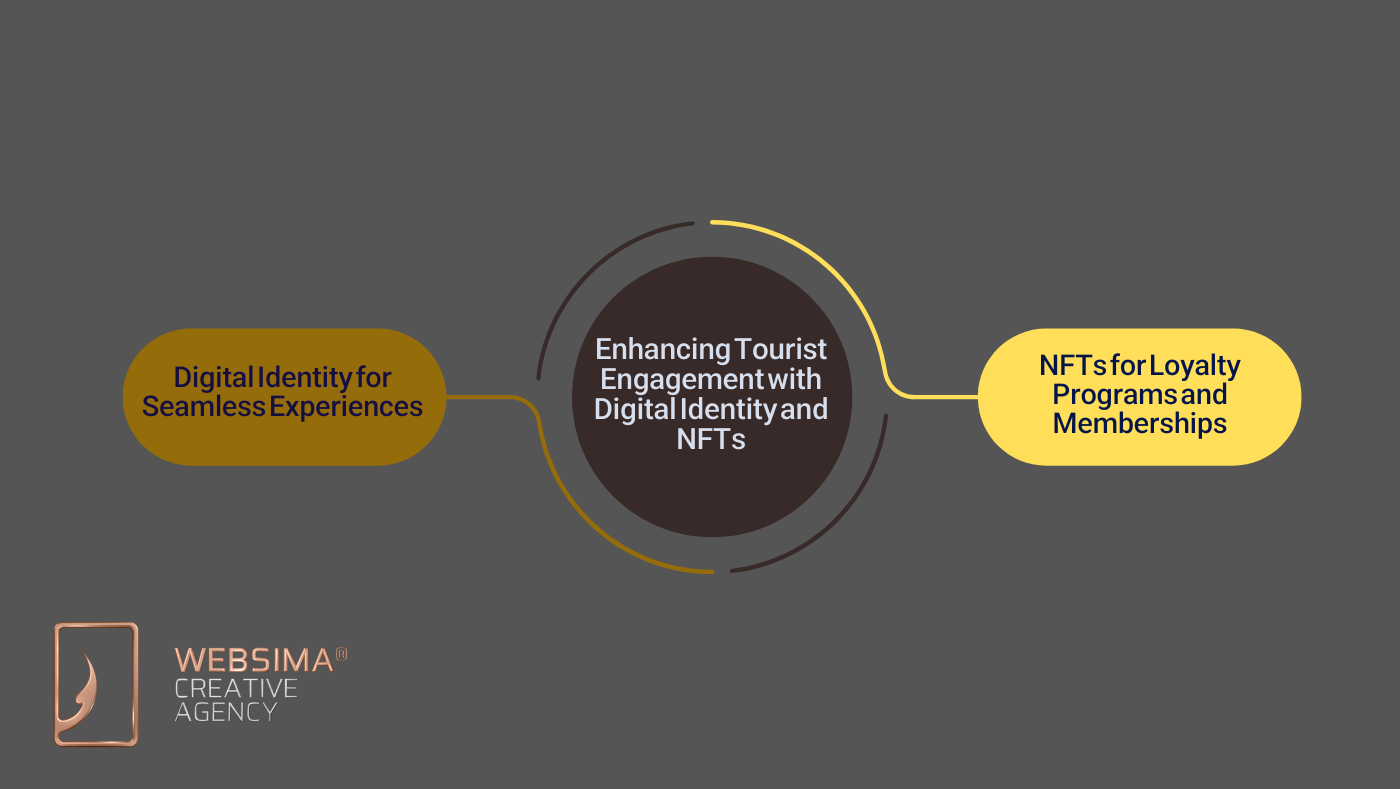
Dubai’s tourism industry is also leveraging Web3 technology to enhance tourist engagement through digital identity solutions and NFTs. Digital identity allows tourists to interact with the city in a personalized, secure, and streamlined way, while NFTs can offer a more immersive experience.
Digital Identity for Seamless Experiences
Using blockchain-based digital identities, Dubai could create a system where tourists have a single, verifiable identity that allows them to access various services throughout the city. For example, a digital ID could give tourists access to hotel rooms, transport services, theme parks, or events by simply scanning their ID, without the need for multiple tickets or credentials.
NFTs for Loyalty Programs and Memberships
NFTs can also be used to create a new kind of loyalty program for Dubai’s tourism sector. Tourists could earn special NFTs based on the experiences they have, such as dining at exclusive restaurants, attending special events, or visiting particular attractions. These NFTs could offer discounts, priority access, or exclusive benefits on future visits, turning the tourism experience into a more personalized and rewarding journey.
Bottomline
Web3’s impact on Dubai’s tourism industry is not just a trend—it is a revolutionary shift that is reshaping the way tourists engage with the city. Through tokenization, smart contracts, dApps, and NFTs, Dubai is creating a more dynamic, secure, and personalized tourism experience for visitors. Web3 will likely play an even greater role in the city’s success, attracting tech-savvy tourists and investors, and further cementing Dubai’s reputation as a global leader in innovation and luxury.
Websima, as the leading blockchain service provider in Dubai, is more than happy to help, if you are planning to start a blockchain-based business in Dubai. Blockchain, crypto and web3 web and website development, smart contract programming and development, Blockchain, Web3 and crypto company establishment are just a few out of many services that we provide. Feel free to contact us to book for a free consultation meeting with our talented team.